Sushant Kadam

City Birds 

In “City Birds,” I explore the urban landscape, highlighting how residents respond, adapt, and transform within their surroundings. Employing a mixed-methods approach, I examine the symbiotic relationships between Mumbai’s two most ubiquitous inhabitants: humans and pigeons. For both, the city holds a lure of shelter and livelihood.

Over the past few years, I have observed similarities between humans and pigeons as we traverse and navigate the city. Not only do we share similar expectations of the city—harboring an impossible utopian quest within each of us—but pigeons’ nonverbal cues and behaviors have also come to resemble those of humans, as if the city affects us similarly, changing and molding us indiscriminately and impartially.

Find out more:

Instagram: @sushantvkadam

Maud Fernhout

Revenge Poetry

“Revenge Poetry” is both a feminist performative project and a reflection on the woos and woes of dating in the modern, digital age. Combining the concepts of a newspaper, diary, and research project, Maud Fernhout shares an intimate portrait of past lovers: from one-night stands to full-blown relationships, all extensively documented and archived in their own personal zine.

The title “Revenge Poetry” is a play on the concept of revenge porn, which is when someone (usually a man) shares intimate footage of an ex-partner with friends or online as an act of revenge after a relationship has ended. Although “Revenge Poetry” isn’t about personal revenge, it arises from a similar emotional place of feeling mistreated or wanting to clap back at love and all the frustration, disappointment, and heartbreak it can bring.

Find out more:

Website: maudfernhout.com
Instagram: @maud_fernhout


Juno Seunghui Joo

Make me your country 

This project explores the complexities of love, identity, and cultural exchange through the lens of an intercultural relationship. It examines the experiences of two individuals from different backgrounds as they attempt to bridge their differences while navigating the nuances of connection, miscommunication, and understanding.

In this context, love is both a unifying force and a revealing one, exposing the ways in which cultural identity shapes who we are and how we relate to others.

Through photography, the work captures moments of tenderness and tension, illustrating the beauty and challenges of embracing another’s world. It questions whether love alone is enough to overcome cultural divides or if certain differences remain unspoken yet ever-present. By exploring these themes, Make Me Your Country reflects on the reality of modern relationships shaped by globalisation, migration, and the deep-rooted ties to where we come from.

Find out more:

Website: jooseunghui.com

Instagram: @junojou


Joske Vink

Hunting

I grew up in a family with two distinct traditions: on my mother’s side, a family of forest rangers, and on my father’s side, a family of hunters. Both traditions were always part of the conversation, yet, to me, they never felt natural. As an animal lover and vegetarian, I’ve struggled to understand how one can take an animal’s life. This question created a barrier between me and my family.

Hunting is more than a personal experience; it’s a tradition passed down through generations. It raises profound questions about how we relate to animals and nature. Why do we accept some uses of animals and reject others? When do we see an animal as a living being, and when do we see it as a resource?

Through this project, I explore these personal questions. I want to understand hunting, both as an act and as part of my family’s history. My aim is to soften the harsh memories that distance me from this world and to reflect on the emotional complexities surrounding it. This project does not seek to provide answers but to encourage reflection and dialogue, inviting others to reconsider their own connections with nature and animals.

Find out more:

Website: joskevink.com
Instagram: @joskevink


Fabian Schwarze

Give us a place to rot

The demolition ofFauna DIY in February 2021 also marked the beginning of new DIY projects. By March, the same people had moved to another spot and started building a new skatepark. This cycle repeats—illegal parks are built, torn down, and then rebuilt elsewhere.

In 2023, I joined these projects in Hamburg. It’s not a fixed group; people come and go, contributing as time and motivation allow. There’s no schedule, no leader—just a shared vision of reclaiming space and turning lost places into something meaningful.

For me, there’s a sense of social romanticism around these places. They’re more than just skateparks; they’re refuges for those who don’t fit (or don’t want to fit) into mainstream society. A utopia carried into everyday life, resisting the consumer-driven logic of the city. Shot on expired analog film due to budget constraints, my work embraces imperfection, mirroring the raw energy of these spaces. These parks may be temporary, but the idea behind them remains. I hope you feel it. I hope you’ll occupy something.

Find out more:

Website: fabianschwarze.com
Instagram: @fschwrze


Ilia Yefimovich

The Diary of a Photographer


These are my daily reflections, carried with me over the past year as I’ve documented the war through my lens. As a documentary photographer, this journey has been unlike any other—filled with profound challenges, both external and internal. It has been a year shaped by relentless thoughts, overwhelming exhaustion, brief flashes of clarity, and, on rare occasions, a fleeting sense of joy. The story began on October 7th, a date that feels etched into my soul, and it has continued relentlessly to this very day.

This diary has become far more than a simple collection of notes; it is a lifeline—a space for me to make sense of the incomprehensible and grapple with the trauma that has shadowed every step of this journey. The format itself is deeply significant to me. It allows me to document not only the devastating consequences of war—the destruction, the loss, the unrelenting instability—but also the quieter, more personal moments that remind me of my own humanity amidst the chaos.

This war is a story of unfathomable devastation. I have witnessed lives torn apart, families fragmented, homes reduced to rubble, and futures left hanging in uncertainty. The magnitude of suffering is difficult to convey, and yet, even amidst this catastrophe, there are small, poignant moments that shine through. Within the pages of this diary, you will find fragments of my own story—snapshots of the world as I’ve encountered it over the past year: fleeting interactions with strangers, glimpses of resilience in unexpected places, and the fragile comfort of familiar routines in a life turned upside down.

The act of writing has been my anchor in a sea of chaos. For me, this past year has been about more than just physical survival. It has been a struggle to preserve my emotional and mental well-being, to find moments of meaning amidst the madness, and to remind myself why I chose this path. This diary is my way of holding onto sanity, of processing the unrelenting cascade of emotions, and of documenting a history that, for so many, is written in blood and silence.

As I turn these pages, I see not only the war’s catastrophic impact but also the deeply personal journey it has taken me on—a journey that, in its own way, is a testament to the resilience of the human spirit. Through these reflections, I hope to share not just the horror but also the fleeting beauty and fragility of life in the shadow of war.

Find out more:

Website: ilia-yefimovich.com
Instagram: @yefimovich 


Jens Nommel

May Be an Image of Nature

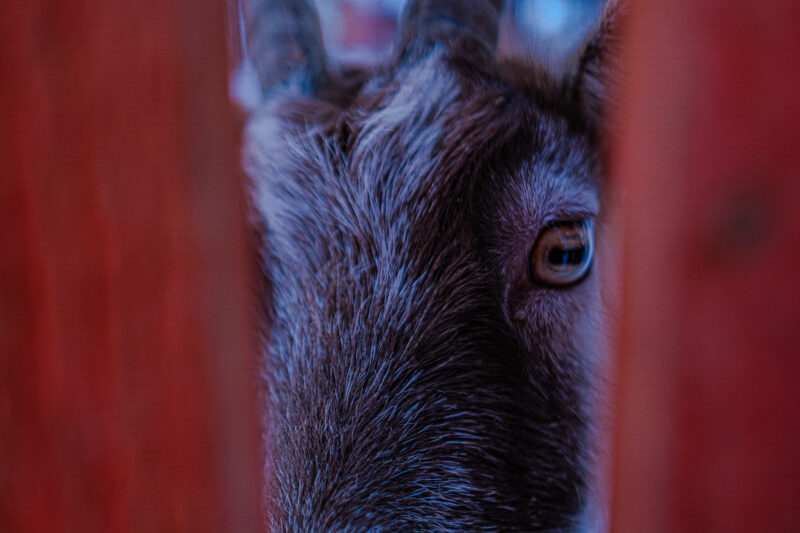
The landscape photographs in my series “May Be an Image of Nature” depict landscapes created by humans and simulated habitats for zoo animals—landscapes that, at first glance, appear more illusion than reality. After all, they “only” imitate real nature. But aren’t they just as much landscapes as naturally grown areas and cultural landscapes that have been altered by humans over the centuries? Can’t such images also be images of nature, as the title of the series suggests?

What fascinates me about these places is the illusion of freedom. As an academically trained geographer, I see boundaries even where they shouldn’t be visible. The new cages no longer require iron bars; they are embedded in the landscape. However, the disappearance of bars from zoos does not make the animals any freer—it only frees the visitors’ view.

Zoos are publicly accessible places that often function as spaces for communal experience. The artificial landscapes in zoos reflect a constructed ideal of nature created for the community. This raises questions about how “shared” nature and resources are designed, used, and presented.

Find out more:

Website: mapfactory.de
Instagram: @mapfactory


Alessandro Zanoni

Like Lights Over the Void

by Steve Bisson

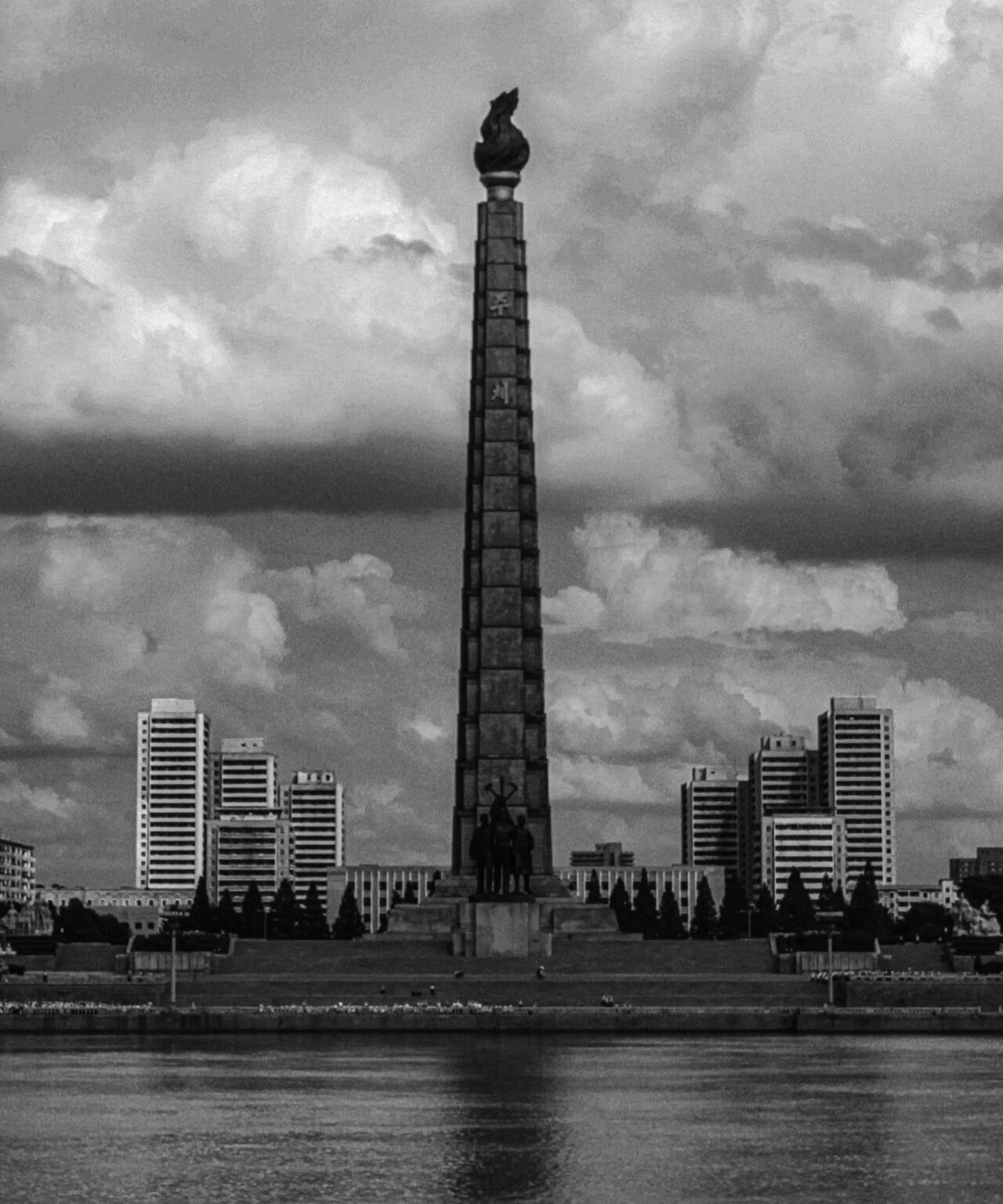
We assign meaning to places. Geography does not exist until we observe it, name it, and define its characteristics through words or signs. This idea has been clear to science—particularly modern physics—for a century, having established that objects exist only as possibilities, in relation to the observer.

Piadena, a small town in the heart of Italy’s Po Valley, is the setting captured in Alessandro Zanoni’s photographs. Yet, more than a physical place, it is a landscape that emerges through personal experience—a blend of memories and interpretations shaped by cinema, music, literature, and the images of others. It is a vision that is deliberate rather than accidental—a realization that dawns as one surrenders to the dark, dense, and sinister atmosphere—painted with what Marco Belpoliti, in his book Pianura (Einaudi, 2021), describes as “light that has burst into disintegration.”

Zanoni grew up and still lives in Piadena. Yet residence does not always equate to belonging, and so the question arises—almost as if paying tribute to one’s origins were an obligation. Piadena is a flatland devoted to large-scale agriculture, vast to the point of being immeasurable, defined by a peculiar anonymity that, like the winter fog, obscures clarity. Yet it is within this inevitable, muffled silence—this nocturnal discretion—that Zanoni’s personal geography takes shape.

Through the re-signification of the banal or the brutal, the landscape emerges, veiled in a humid condensation that blurs its contours. That very haze, that alienating sense of indeterminacy, seems to reclaim a right to dream—one so often denied in provincial life. Like Zanoni himself, the viewer remains an outsider, a spectator, standing at the threshold of an escape, conscious of the neorealist twilight of the peasant myth. It is no coincidence that we navigate railway tracks and asphalt, peeling facades, anonymous non-places, uncertain presences, and the silent flow of drainage ditches—caught between nostalgia and a dull modernity.

More than a state of waiting, it is a suspension—a breath held in the presence of an ineffable spell, as if dazzled by lights over the void.

Find out more:

Website: alessandrozanoni.com
Instagram: @alezano


Filips Smits

Let’s Get Sun-Kissed

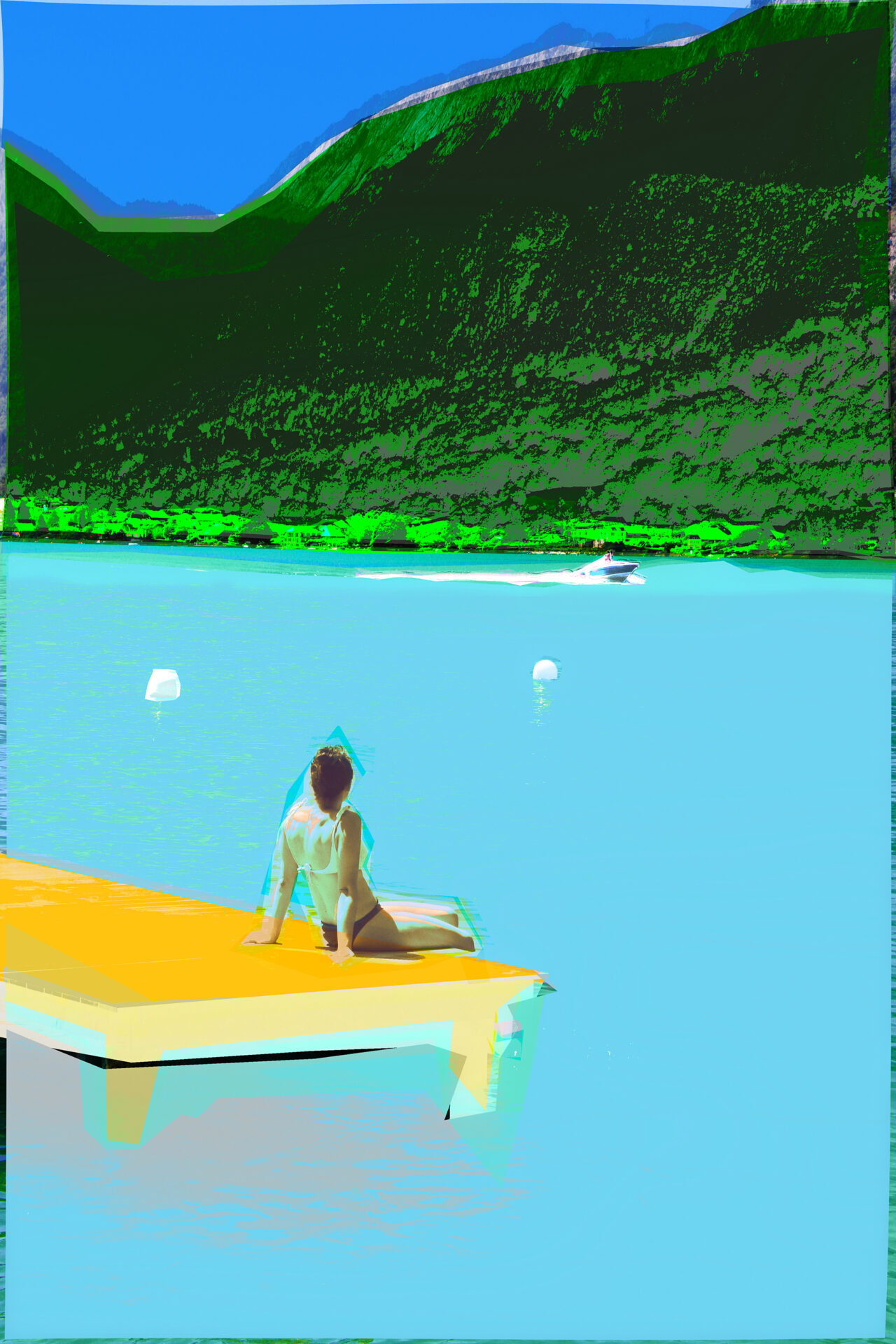
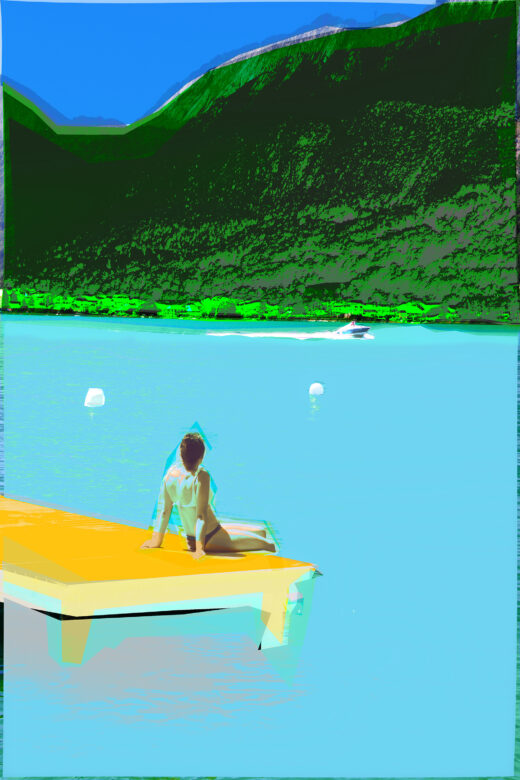
“Let’s Get Sun-Kissed” is a surreal meditation on self-love, time, and our connection to the environment. Rooted in the cyclical rhythms of the sun, the series explores moments of quiet ritual—pauses that tether us to the outdoors and offer refuge in an increasingly chaotic world. These moments are not just acts of leisure but affirmations of presence, anchoring us in something larger than ourselves.

Through playful distortions of urban life, the work creates a dialogue between reality and utopia, exaggerating the absurdities of modern existence—fast-paced, disconnected, yet always yearning for deeper meaning. Set against the cultural and geographic backdrop of the Baltic states, the series reflects a history of transformation and resilience, drawing inspiration from the Situationists’ critique of consumer culture and their call for a radical reimagination of public space. Rather than offering an escape, this work is an invitation to rethink how we inhabit our cities, how we share spaces of joy, and how we reconnect with both nature and each other.

The series continues to evolve, uncovering new sites and stories that challenge anthropological structures and envision alternative ways of being—where the sun, the self, and the collective experience of leisure converge in harmony.

Find out more:

Website: filipssmits.com
Instagram: @filipssmits


​​Anja Engelke

Sleeping by the Dataflow

A program that generates images using artificial intelligence learns to analyze the world based on millions of internet images. It then creates its own version of an image based on what it has “seen.” When asked to generate images based on prompts, the resulting image can be viewed as the cumulative essence of the available imagery on a given topic—which ultimately represents the sum of human behavior.

Following Anja Engelke’s earlier works that embraced photographic history and recreated the photography of Stephen Shore, the artist now uses artificial intelligence as a tool to reinterpret photographic icons in her most recent work. She focuses on highlighting ingrained clichés and social role models.

Anja Engelke uses artificial intelligence to create prompts based on photographs from Alec Soth’s series Sleeping by the Mississippi. Prompts are keywords that describe the image. The same AI then generates images from these prompts. The artificial intelligence interprets the work both in the prompt creation and in the text-to-image generation. The artist neither intervenes in the prompts nor alters the generated images.

Find out more:

Website: anja-engelke.de
Instagram: @anjaengelke.fotografie

Find out more:

Website: www.celineguillerm.fr
Instagram: @celine_guillerm