Alessandro Mazzola

H.M

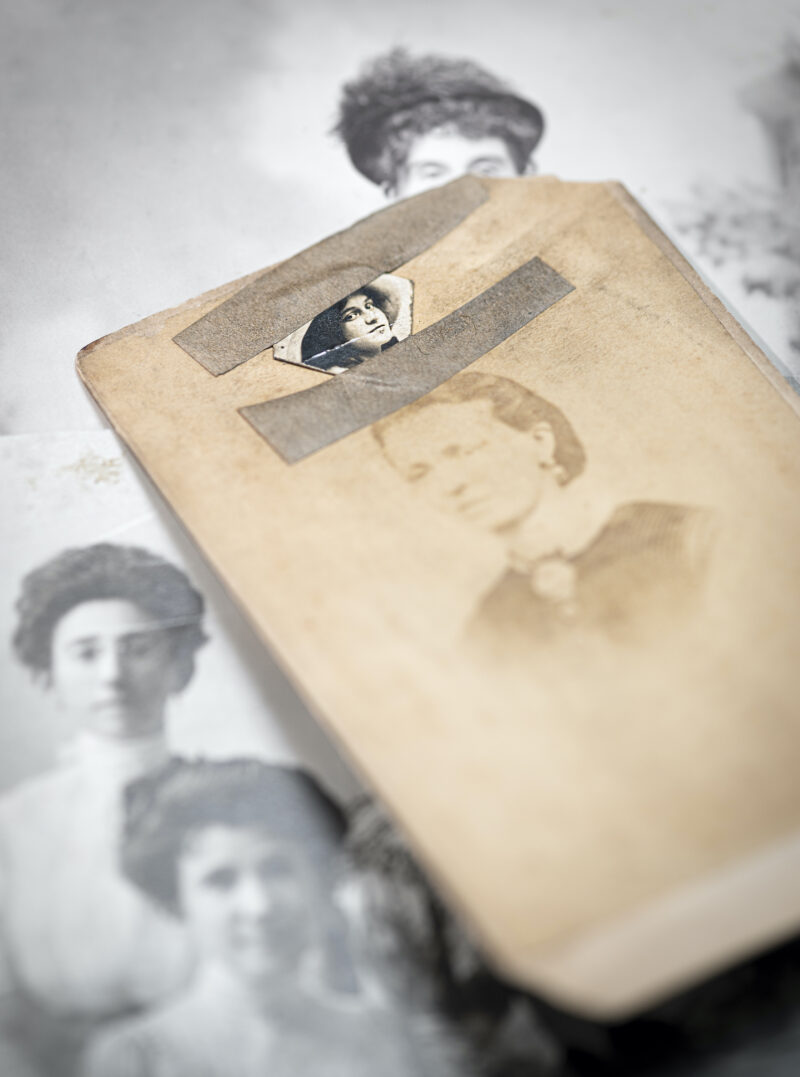
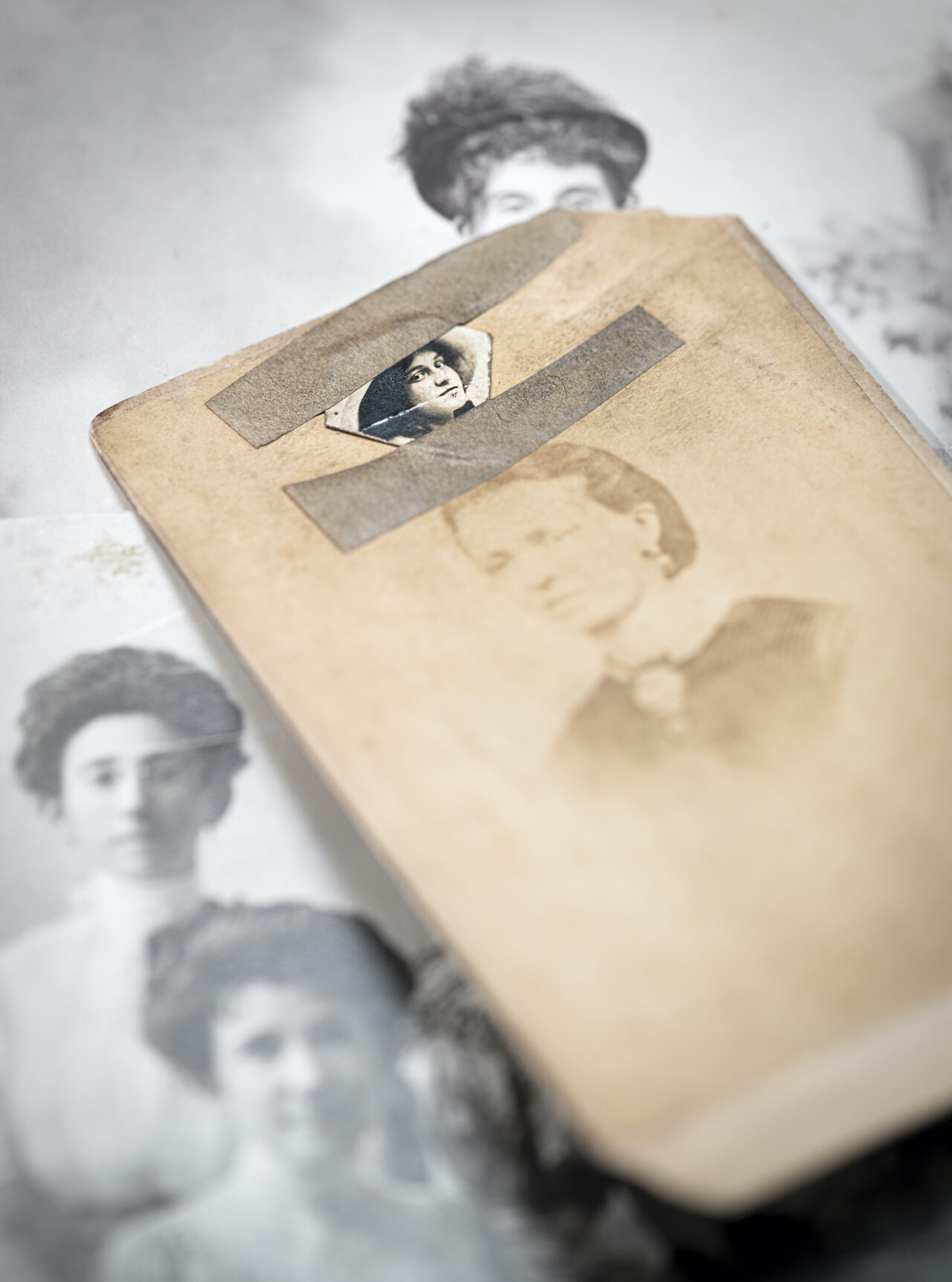
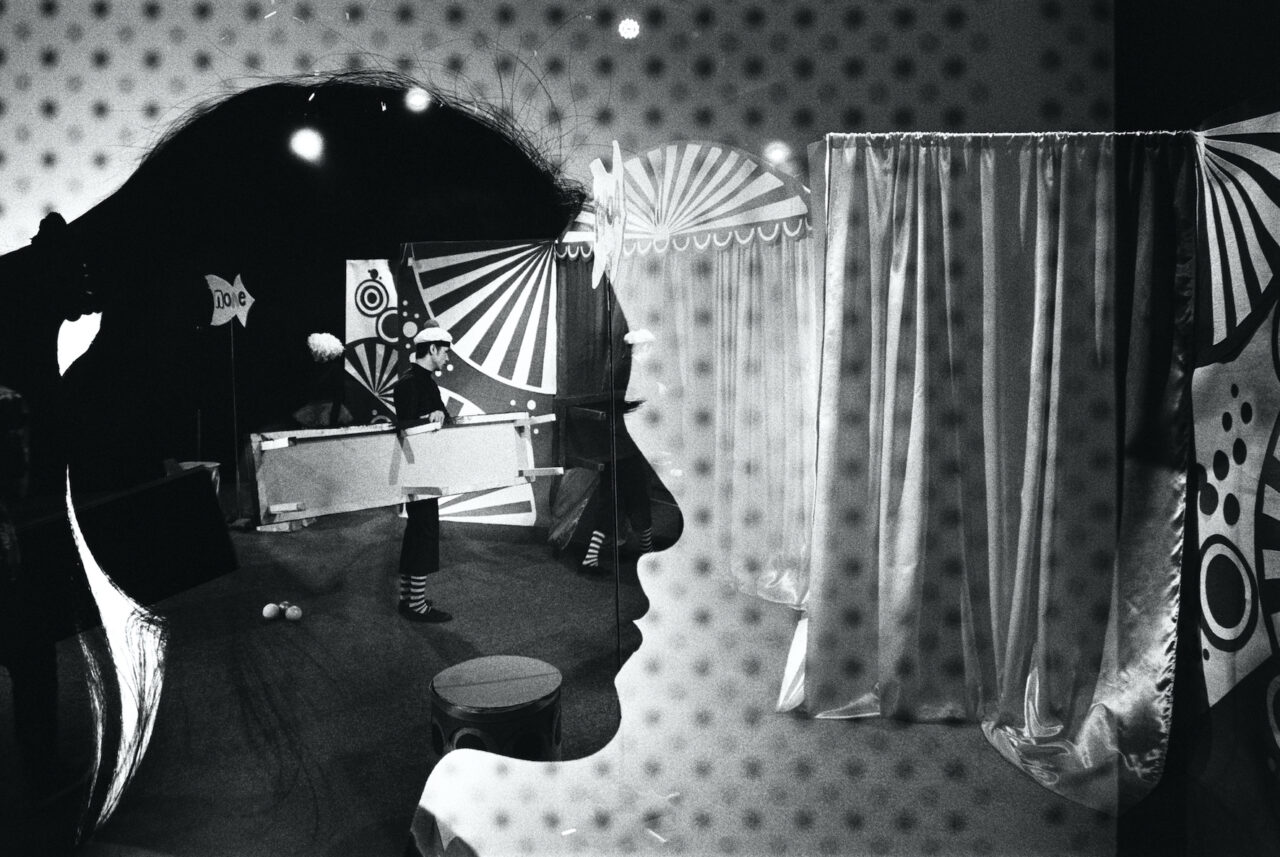
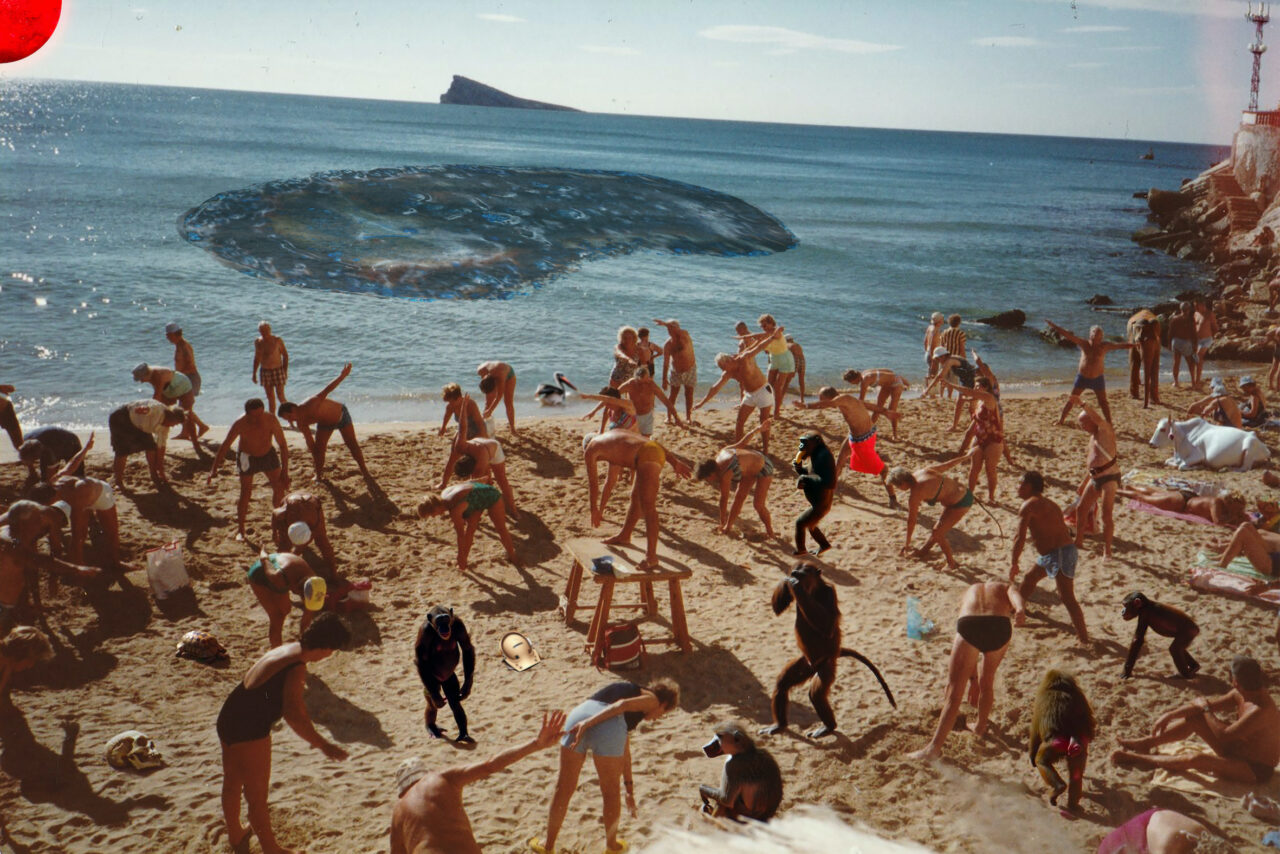
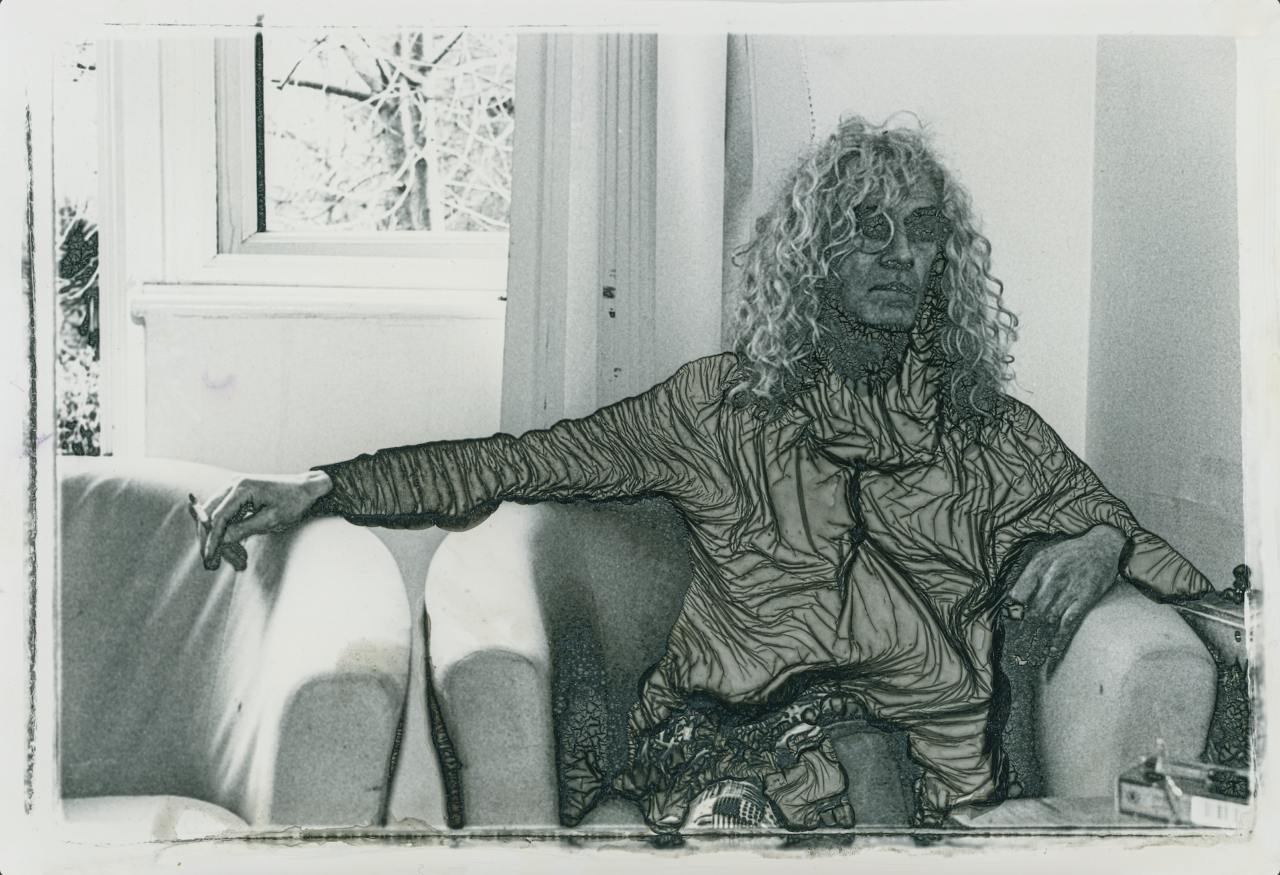
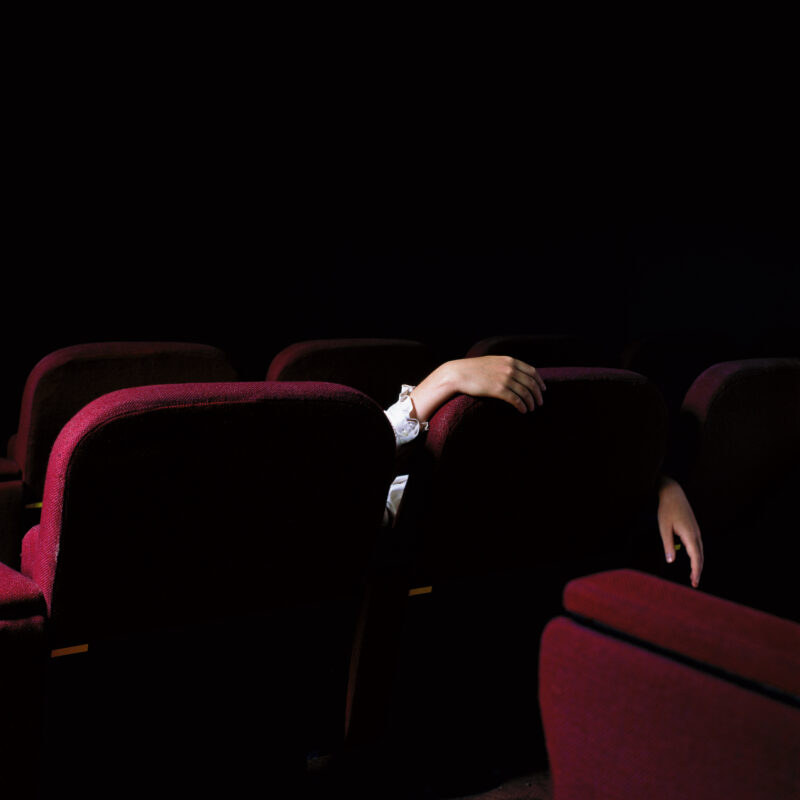
H.M. reflects on memory loss as an internal form of conflict, a silent fracture between experience and recollection. Inspired by Henry Gustav Molaison, whose condition reshaped the understanding of human memory.

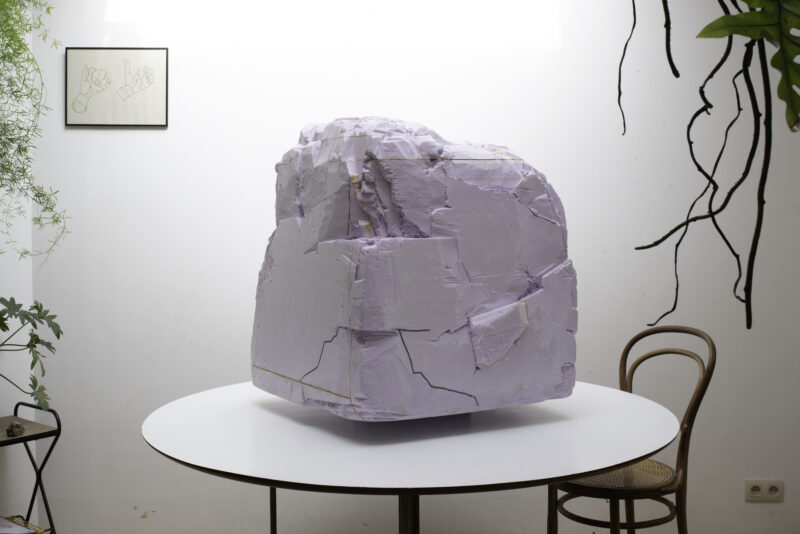
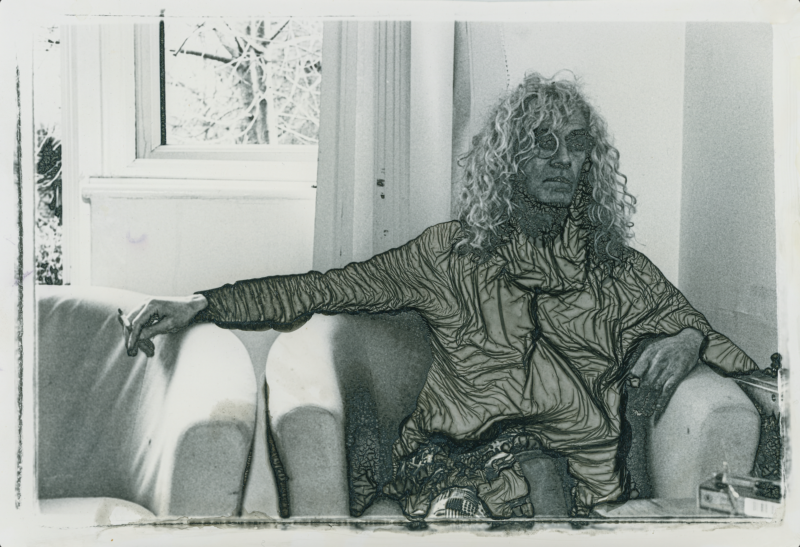
The work focuses on the echoes of trauma: disorientation, absence, bondage and the unsettling awareness of something lost yet impossible to retrieve. Through archival materials, reconstructed mnemonic tests, staged situations and self-portraits, the images translate the emotional landscape of amnesia into a subjective fresco.

Amnesia becomes a metaphor for human conditions in which conflict unfolds internally and invisibly. The inability to retain experience creates a limbo between presence and disappearance, knowledge and emptiness. In this space, neuroscience appears as discovery and uncertainty, exposing unknown histories of medical trauma and marginalization that deeply affected me.

H.M. approaches photography not as testimony, but as a place where disturbing collective anxieties resonate in silence.

“Can you imagine what it’s like to have one night 20 years long with no dream?
That’s what it’s been like. Just like death.

No difference between day and night, no thoughts at all. In that sense it has been totally 
painless which is not something which is very desirable really, is it?

‘Cause it’s precisely like death.”

Find out more:


Website: alessandromazzola.net
Instagram: @_ale_maz_

Attilio Fiumarella

What Remains When Everything Else Disappears (2024-2025)

What Remains When Everything Else Disappears is a photographic project that explores migration not as a geographical movement, but as an internal and emotional condition. Rooted in a personal experience of displacement, the work examines the subtle, often invisible forms of conflict that arise from living between languages, temporalities and senses of belonging that never fully align.

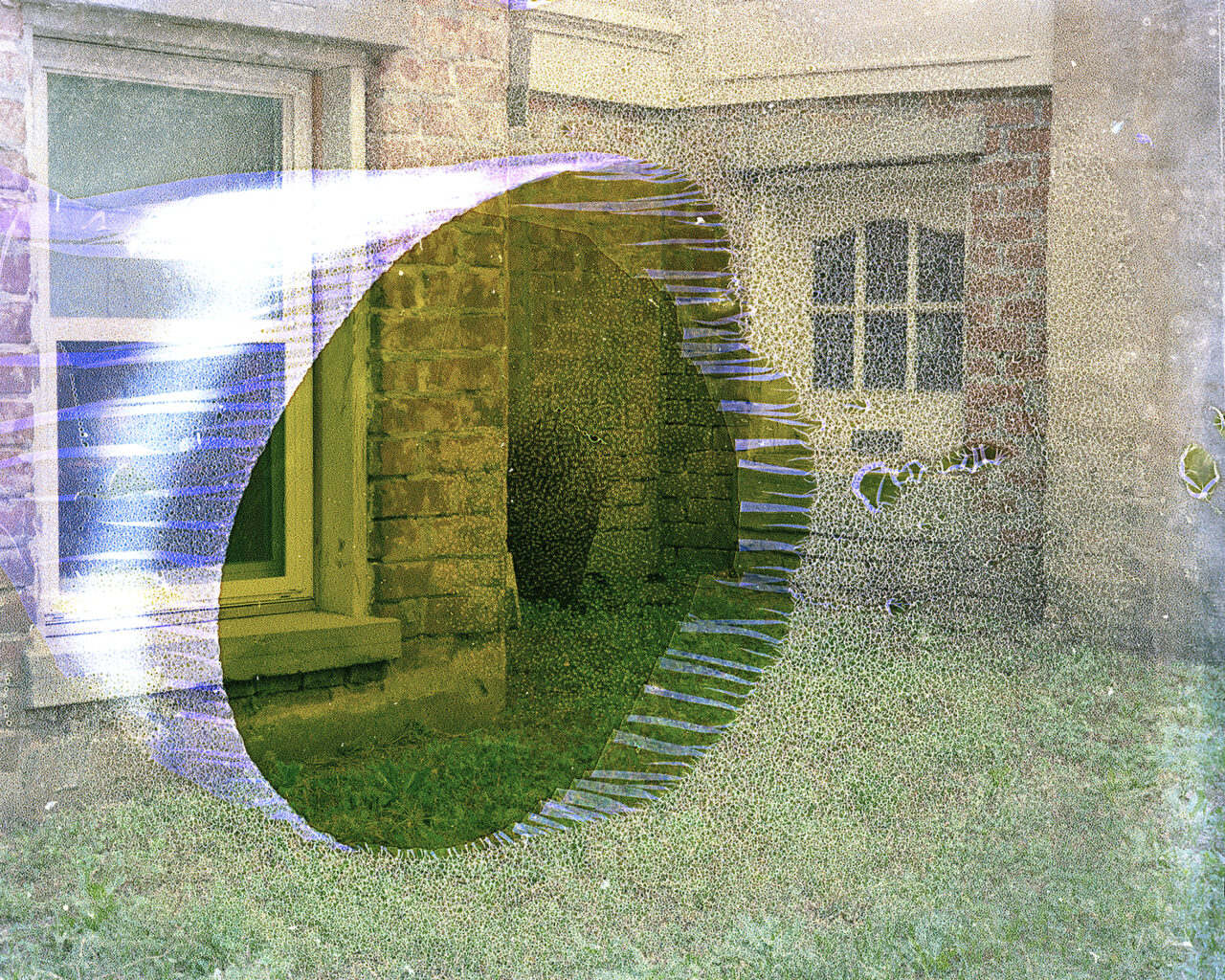
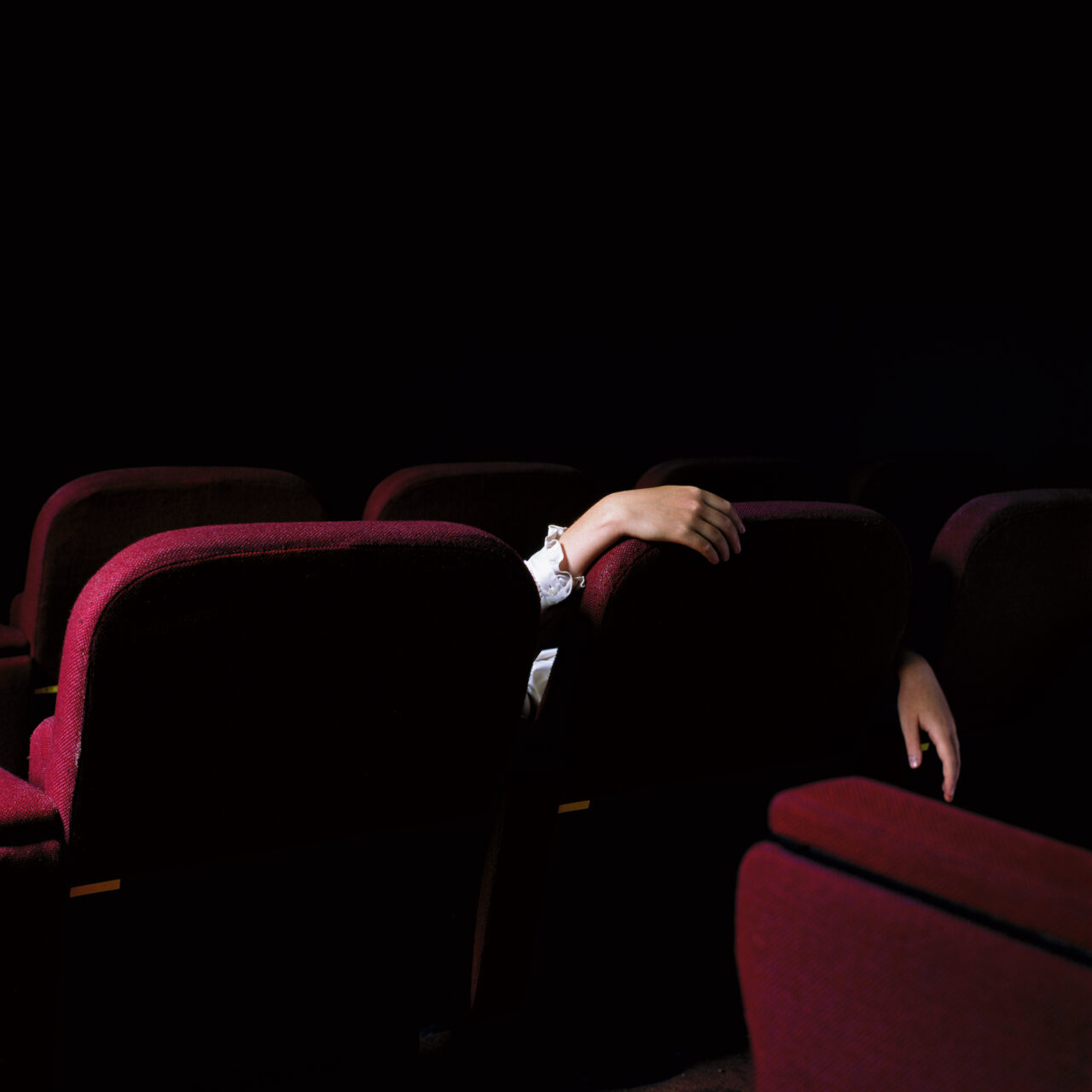
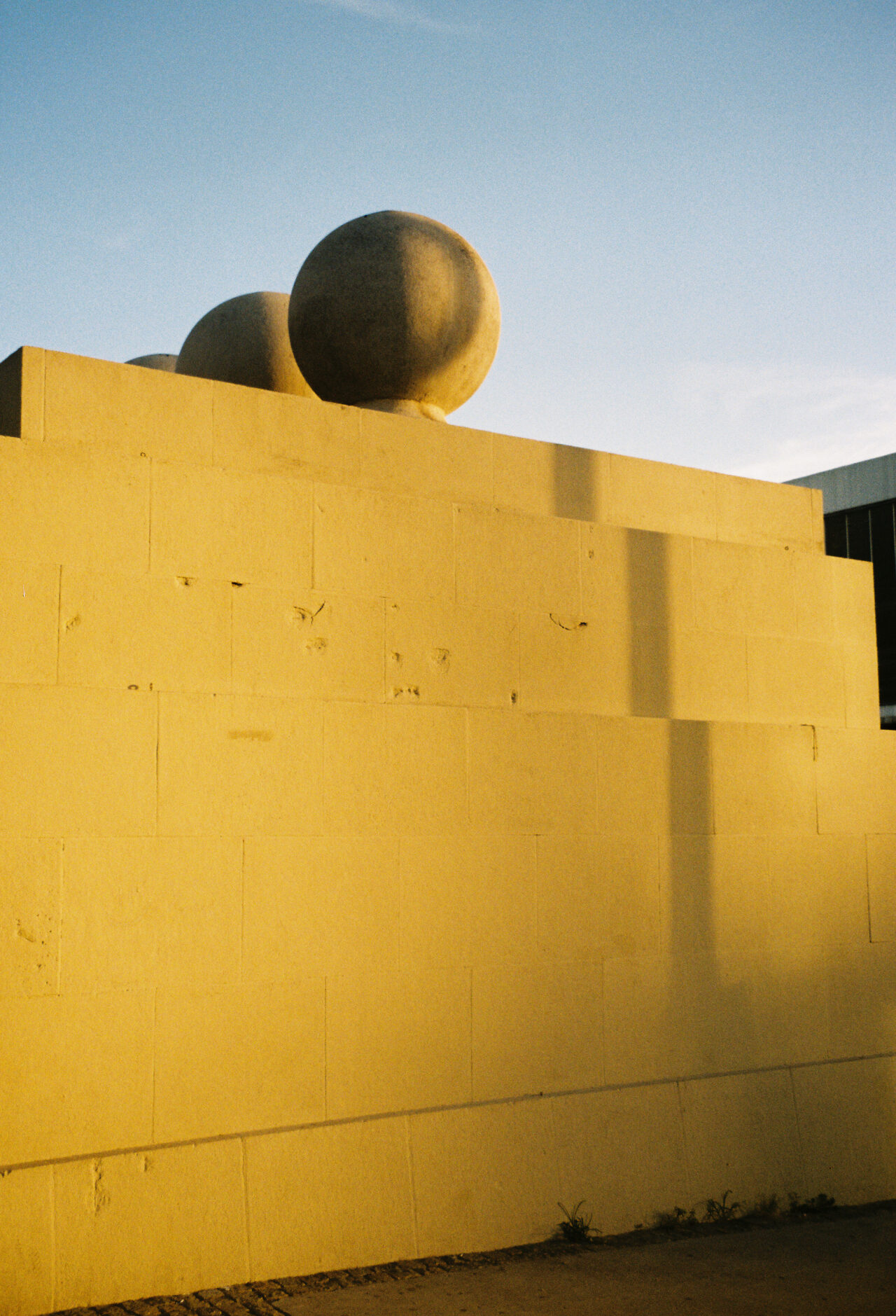
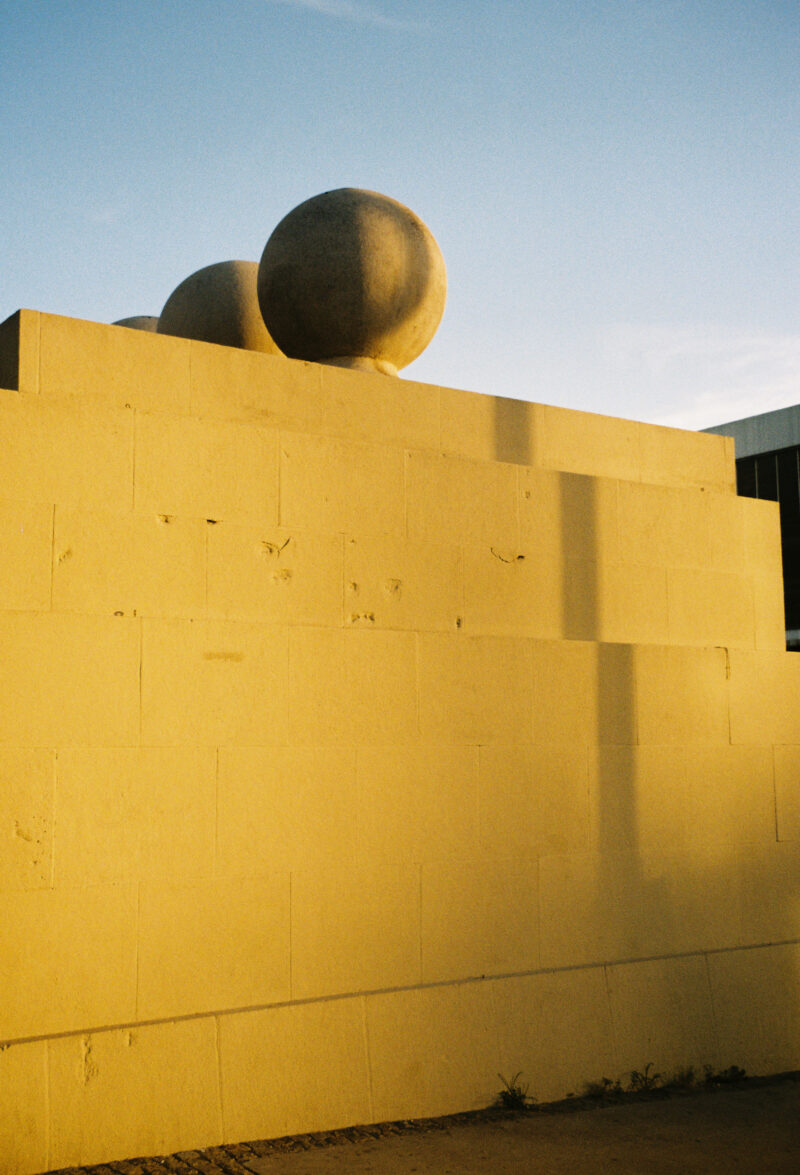
Rather than documenting events, the images evoke their aftermath. Fragmented bodies, eroded surfaces, interrupted gestures and ordinary objects function as metaphors for a liminal state suspended between loss and reinvention. Trauma here is quiet, accumulated, and embodied, shaping both the body and the spaces it inhabits.

Through stark lighting, deep shadows and abrupt framing, the visual language creates a psychological territory where absence becomes tangible. Domestic and natural environments appear familiar yet unstable, while the human figure is often partial, as if attempting to reassemble itself after an unseen rupture.

There is no linear narrative. Each image operates as a trace, an emotional residue inscribed in both space and skin. The project unfolds as an archaeology of silence, reflecting on how identity is continuously reconfigured through rupture, endurance and the fragile act of continuing.

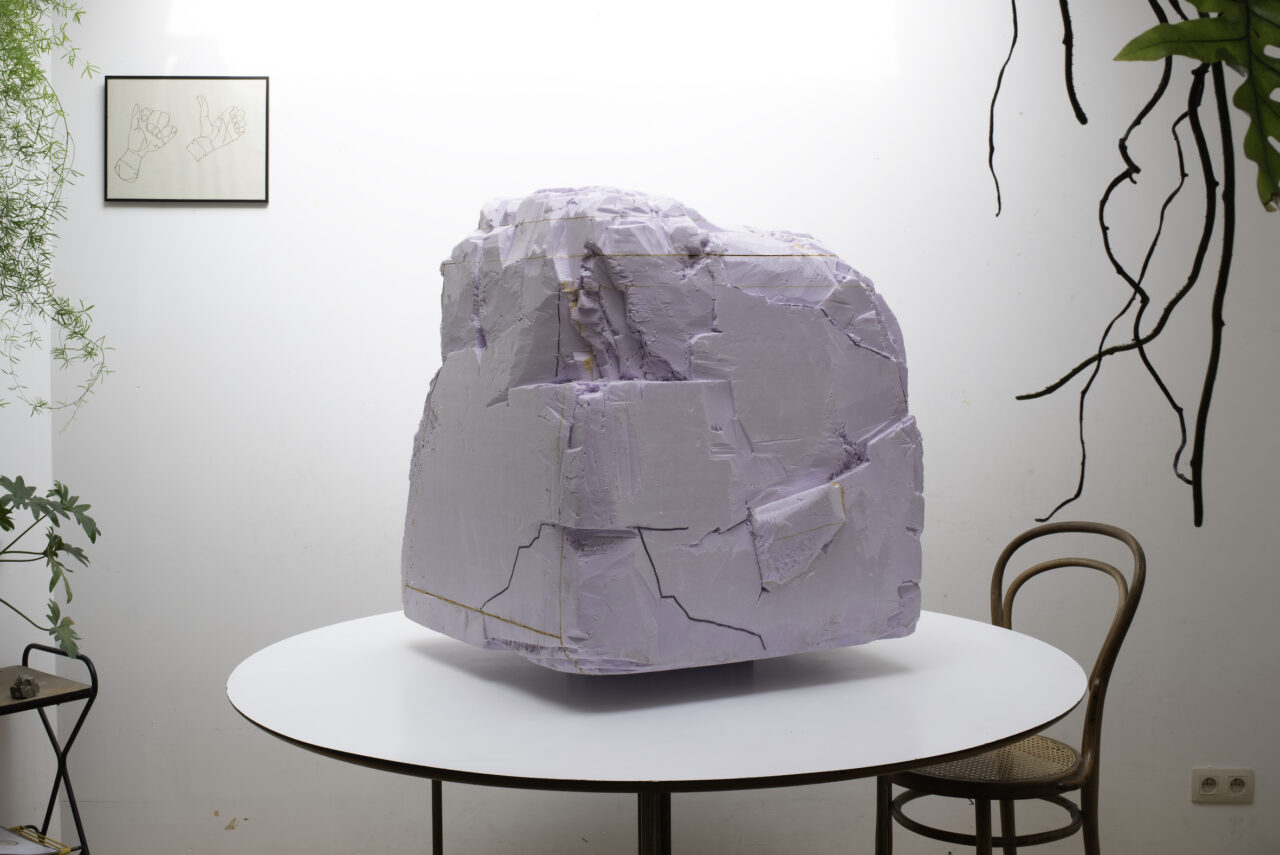
A fragile axis between balance and exposure.

Find out more:

Website: attiliofiumarella.com
Instagram: @attiliofiumarella

Alexey Yurenev

Silent Hero

Silent Hero is a long-term visual research project that begins with a family silence. Alexey Yurenev’s grandfather fought in the Red Army during the Second World War, returned home with medals, and never spoke about what he had witnessed. That absence is not approached as a gap to be filled, but as a condition that shapes how history is carried, transmitted, and withheld across generations.

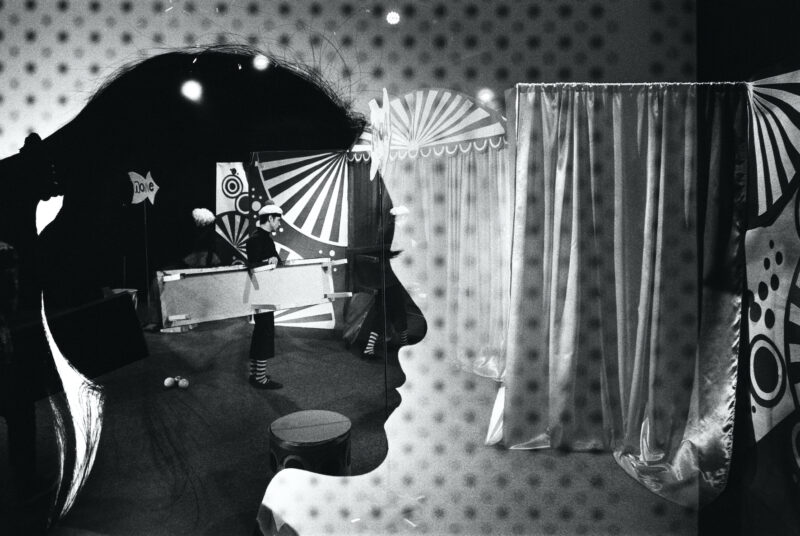
The project unfolds through many overlapping methods: working with family and state archives, revisiting landscapes where violence has left little visible trace, engaging in conversations that circle memory rather than extract it, and using imaging systems that complicate the authority of photographic realism. These approaches come together most densely in the artist book Seeing Against Seeing, where images, texts, and structures operate through proximity rather than explanation.

While grounded in a specific family history, Silent Hero remains in conversation with other conflicts and their afterlives. By placing personal memory alongside broader histories of war, displacement, and repression, the project considers how different conflicts echo one another through shared visual languages, silences, and modes of representation. History appears not as a stable record, but as something fragmented, mediated, and continually reshaped by the tools used to approach it.


Find out more:

Website: yurenev.com

Instagram: @yurenev


Bjorn Nilsson

Conversation Failed

When something changes in a relationship, thoughts, feelings and fears appear. Sometimes there is a struggle. Or a silence. A failed conversation.

It is often through heritage, tradition and media that we are taught how a man and a woman ”should be” and how they should relate to each other in a relationship. So how is the male self image affected when the woman for instance starts to earn more money than the man? And how is the sexual relationship affected if the man suddenly is responsible for most of the domestic work?

Conversation Failed is about people who have lived together for a longer period of time. The project is partly based on my own experiences from various relationships, but also on the experiences of other couples that have arisen through conversations. I take a look at power structures, gender roles and sexuality and I have talked to people who, like myself, are in midlife. People and couples who are struggling with various adversities and bouts of anxiety in their everyday lives. People who love, compromise, sacrifice, fail.

Is there even a possibility of understanding and reconciliation without communication? In the project, I have been working with Clara Diesen, a poet and a screenwriter based in Stockholm. She has contributed a poem suit for the book. I am also working with Alex Pacheco from Crash Boom Bang Studios in Stockholm, with the design and launch of a book.


Find out more:


Website: fodor13.com
Instagram: @fodor13

Emeric Lhuisset

Inquiry into “Image-Making” in a War Zone

From far away, I hear the Cossacks’ reply Photograph taken with the help of the Territorial Defense Forces (ТРО Медіа), the 112th Brigade and soldier Roman Gribov from Snake Island, Ukraine, 2023.

No, I am not looking for the shot, the explosion, the corpse, the child in tears saying goodbye to their parents leaving for the front… And yet I am in the war. And yet, these things must be documented.

But who better than the witness of the event to do so—at their window, with a trembling hand, in their car as they try to escape what they see, what they are living through. This witness, equipped with a smartphone, will produce images—sometimes to keep a record, sometimes as if to shield themselves from what is before them, or simply by chance. 
Images shared on social networks, as if offered to the world. Sometimes reframed by others and turned into memes (memes that seem to be to photograph what caricature is to drawing), these images go viral, reaching an audience far exceeding that of the press. Yet image professionals must exist more than ever—to verify authenticity, to identify, to research, to investigate—and journalists must attempt, among other things, to collect the accounts of events documented by these witnesses.

The war in Ukraine is a good example: a war where, despite the very large number of photojournalists on the ground, the most powerful, most iconic images—often the only ones documenting an event—remain those made by these witnesses in areas where photographers are not. In those zones that have become inaccessible; from Azovstal to Kherson (when the city was in Russian hands), from occupied areas to the front line. Only a few civilians and combatants remain—witnesses and sometimes also actors in the event. 
Among these images, those produced by combatants in particular raise numerous questions. Whether captured with body-worn cameras and presented as edits put together by soldiers during the lulls that punctuate war—reminding us, in a new form, of “trench art”—or produced by means of FPV drones, which in turn become not merely documents but truly instruments of killing: images one might call “performative,” drawing a parallel with the concept developed by the British philosopher J. L. Austin regarding language.

The importance of these amateur images does not mean that professional imagery in war should no longer exist, but perhaps that it should exist differently—less in the pursuit of the event itself, and rather through an approach that could be called post-documentary, questioning the place of the medium, local iconography, the history of the image, all with a more conceptual reflection—perhaps placing the gaze or voice of the event’s protagonist at the heart of the process.

Just as the invention of photographic film and halftone printing revolutionized the war image between the late 19th and early 20th centuries, one can say that for several years now a new revolution has been underway with the advent of digital technology and the internet, followed by the smartphone, the body-mounted camera, and finally the FPV drone—inviting us to rethink the war image, its status, and the place of those who produce it. 
Here is the project From far away, I hear the Cossacks’ reply, carried out in Ukraine in September 2023 with the 112th Brigade of the Ukrainian army. This photograph is the fruit of this reflection on the place of the image professional in war—and a possible answer.
February 24, 2022: the beginning of the full-scale invasion.
Roman Gribov, whom you can see at the center of this photograph, one of the 13 Ukrainian soldiers on Snake Island, responds to the Russian flagship ordering them to surrender:
“Russian warship, go fuck yourself!”
 On February 25, the recording of the exchange was made public and looped in the media around the world. I immediately thought of the reply of the Zaporozhian Cossacks to the Ottoman Sultan ordering them to submit, immortalized by Ilya Repin—a reproduction of which, given to me during the Maidan Revolution, has been on my fridge door as a magnet since 2014.

This painting, so important in the Ukrainian national narrative, is nevertheless in the collections of the Russian Museum in St Petersburg. In 2021, when the canvas was shown in Paris for the Ilya Repin retrospective at the Petit Palais, the exhibition was titled Painting the Russian Soul, forgetting that Repin was born and raised near Kharkiv in present-day Ukraine and that he exalted in his paintings the Ukrainian identity that was so dear to him.

This appropriation of Ukrainian history by Russia is essential to grasp. As evidence, consider the 25-page text written in July 2021 by Vladimir Putin, claiming that Ukraine is merely the product of an artificial Soviet creation and that its history is in fact that of Russia—a text he would use a few months later to justify his invasion.

This colonial vision stemming from Russian imperialism appears as early as the 18th century when, in order to compete with the great European courts, Muscovy—become the Russian Empire—appropriated the very ancient history that belongs to Ukraine.

Systematic looting of museums, destruction of school textbooks and of any works recounting Ukrainian history and culture, arrest of teachers refusing to implement the official Russian curriculum—this is the reality in the occupied territories. In March 2022, Olga Lioubinova, Russia’s Minister of Culture, declared: “Everything related to the development of the cultural sector in the new constituent entities of the Russian Federation and to their integration is an absolute priority for us. (…) From the very first days of the special military operation, representatives of our museums have been working in the new territories.”

While the war aimed at conquering Ukrainian territory is visible to all and its condemnation relatively consensual in Europe, the far more insidious war being waged over control of history and culture remains little known—and many Europeans often unwittingly participate in the spread of this Russian colonial construct.

This photograph—now one of the iconic images of this conflict, disseminated worldwide and embraced by Ukrainian popular culture, notably through numerous derivative objects—shows how, through a post-documentary approach, the professional image-maker can continue to exist and offer a perspective on the conflict that an amateur could not. We see here the importance this image has taken, as a partisan, taking very great risks, uses it as a symbol of resistance in this Russian Museum in St Petersburg, at the heart of Putin’s Russia.
Culture is a weapon on a vast battlefield; let us not forget it.

Find out more:


Website: emericlhuisset.com

Instagram: @emericlhuisset


Reinis Hofmanis

Shared Horizon

I grew up in the countryside of Latgale, near the borders with Russia and Belarus, during the final years of the Soviet Union. My memories of that time are fragmented and indirect.

Today, Latvia’s eastern border has gained new geopolitical significance as part of NATO’s outer frontier. While working in the border zone and speaking with local residents, references to the Soviet era often emerge. For some, it is recalled as a time structured by daily routines, remembered through the lens of youth; for others, it represents repression and occupation. These contrasting memories stand in sharp contrast to today’s depopulated, ageing landscapes. The borderland is not only a militarised space but also a place where collective memory interprets loss, social change, and uneven histories.

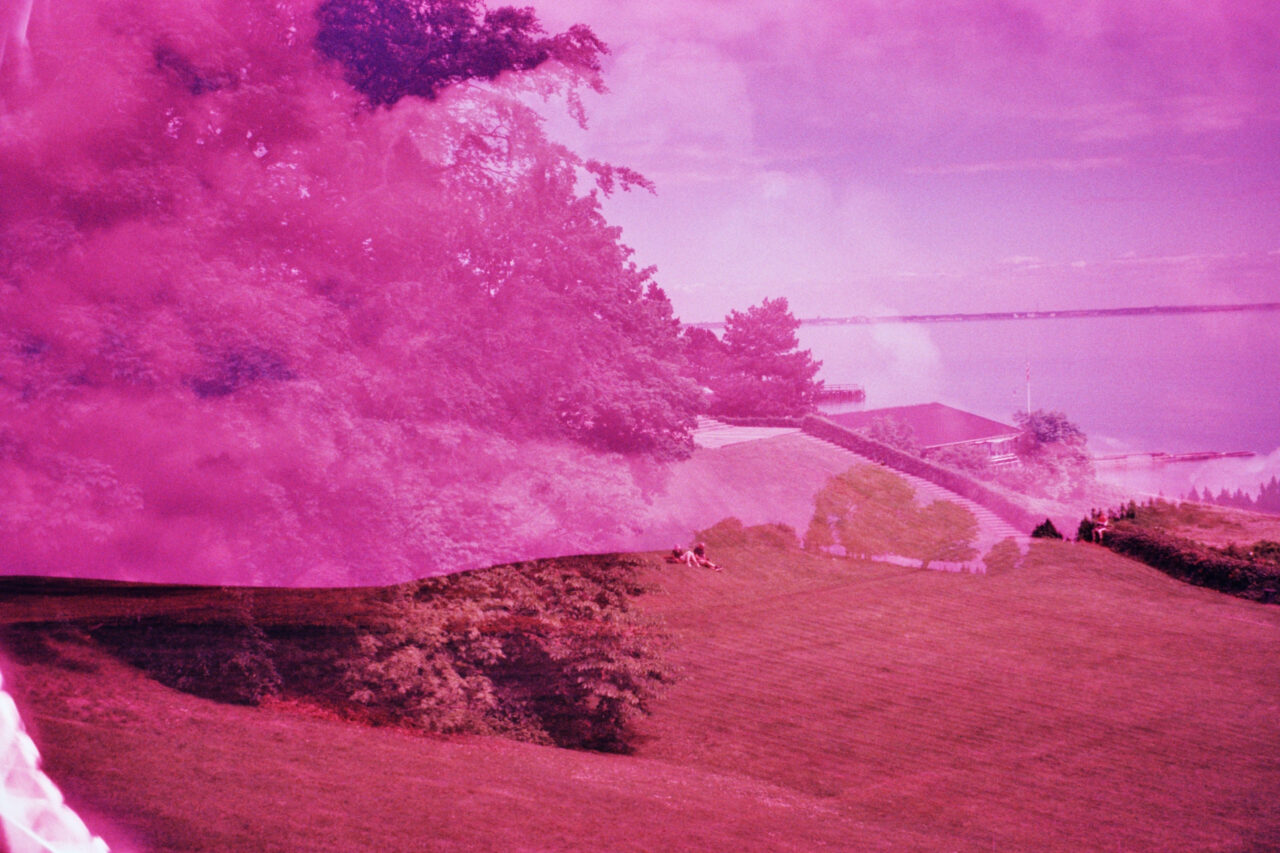
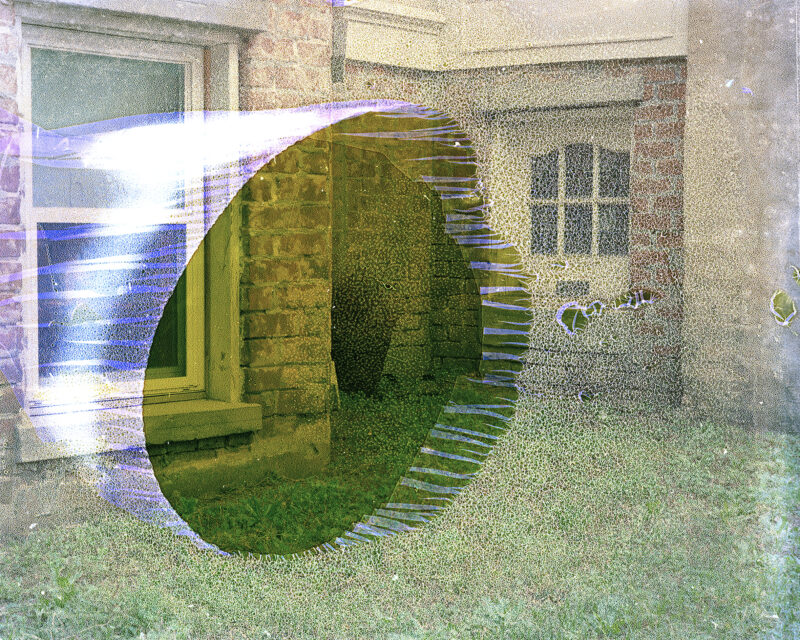
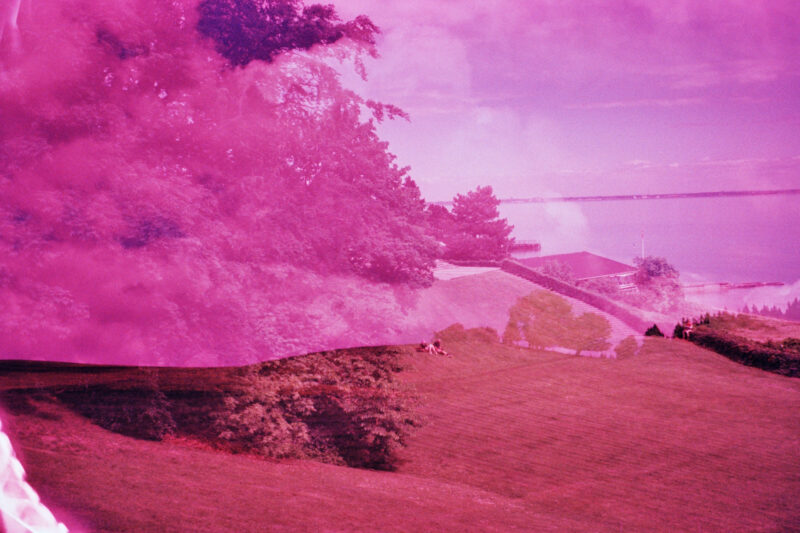
The project combines contemporary photographs from this border zone with found vernacular images from the Soviet period. Contemporary landscapes, shaped by security infrastructure and altered environments, are layered with images of everyday life from the past. The resulting fragmentation and tension reflect how geopolitics shapes daily life, memory, and space.

Find out more:


Website: reinishofmanis.lv

Instagram: @reinis_hofmanis

Sara Giuliani

Only Love Can Save Us

Only Love Can Save Us is a collaborative project developed inside one of Italy’s most overcrowded detention centres, Rome’s Regina Coeli prison, where isolation and suicide rates remain alarmingly high.

The project explores male fragility behind prison walls through a woman’s gaze and the voices of inmates. An intimate, sometimes dreamlike visual language meets the raw words and personal expressions of incarcerated men, creating a dialogue that challenges stereotypes of prison life and masculinity.

The images act as catalysts for self-reflection, while handwritten notes and captions reveal inner landscapes – dreams, fears, doubts, regrets, and hopes – often silenced by confinement. The work grew out of years of work inside the prison and a prolonged dialogue with inmates. Their voices, entrusted to handwritten notes and captions, converge with the photographer’s gaze to form a shared narrative suspended between imagination and testimony.

The prison becomes a threshold: between inside and outside, silence and expression, confinement and freedom. Only Love Can Save Us opens a judgment-free space where intimacy becomes a political act and photography a tool for listening, bridging the distance between prison walls and the world beyond, and amplifying voices too often excluded from public view.


Find out more:

Website: saragiuliani.com

Instagram: @__giulianisara


Serhii Korovayny

Love Letter to Donbas

I grew up in the Donbas region of Eastern Ukraine. As a kid, I climbed the terricon, the coal mine spoil tip, and observed the landscape around my small working-class hometown of Khartsyzsk. I saw an endless steppe with coal mines, pipes from steel plants, and blocks of Soviet-style residential houses. Back then, the air smelled like feather grass and estragon. In 2014, after Russia invaded Donbas, it smelled like gunpowder, and the region became the epicenter of the conflict.

After the full-scale Russian invasion in 2022, many towns in Donbas were destroyed and then occupied by Russian troops, while others were experiencing daily drone strikes and the danger of further occupation.

The project documents the region’s remaining life in its simplicity and beauty. I can compare working in Donbas to photographing a beloved person with a terminal diagnosis. With all the pain and destruction it brought to Donbas, Russia is like a progressive illness to the beloved motherland. Every news about artillery attacks on Donbas civilians, every lost village, gives me pain and motivates me to photograph more. With my project, I want to preserve a memory of the Donbas before it completely vanishes into the hell of war.


A man fishing near Azovstal plant, where the Kalmius river flows into the Azov sea.

Find out more:

Website: korovayny.com

Instagram: @serhiikorovayny